
BREAKING On March 22–23, 2026, the DoI confirmed individual foreign nationals may now apply for Restricted Area Permits independently.
For years, the rule sat in the fine print of Nepal's trekking regulations like an old boulder in the middle of the trail: you couldn't get a permit for the country's most spectacular and remote zones unless you were at least two foreigners. It turned away solo travellers. It delayed trips by months. It created a thriving market of forum posts reading "Looking for trekking partner — Upper Mustang, any season."
That boulder has now been moved.
The Trekking Agencies' Association of Nepal (TAAN) had pushed for this reform for years, arguing the two-person minimum was hurting demand, reducing income for remote communities, and encouraging workarounds that were difficult to enforce. The Department of Immigration finally listened — and the result is the most significant reform to Nepal's restricted area permit system in over a decade.
What Exactly Changed?
The headline is simple: solo foreign trekkers can now obtain a Restricted Area Permit (RAP) on their own, without needing a second foreigner to apply with them. But "solo" in this context carries a very specific legal meaning, and understanding that distinction matters before you buy your plane ticket.
"Nepal has separated the question of how many people apply from the question of who walks the trail. You can now plan on your own timeline — a guide walks through the gate with you."
— Nepal Hiking Adventure, March 2026
You can now apply as an individual. You no longer need to find a second person to share your permit application. You still cannot walk these trails without a guide. A licensed Nepali trekking guide remains a legal requirement for every restricted zone trek — and you must still book through a registered trekking agency.
Rule Before March 2026 Fom March 2026
Minimum group size 2 foreign trekkers required Solo (1 person) now permitted ✓
Licensed guide Mandatory Still mandatory
Registered agency Required Still required
Permit application In-person, Kathmandu only Digital / pre-arrival now possible ✓
Guide-to-trekker ratio Not specified Max 7 trekkers per guide ✓
Upper Mustang permit USD $500 flat for 10 days USD $50 per day
fee (flexible)
Why Did the Old Rule Exist?
Nepal's restricted areas weren't created arbitrarily. Many of these zones — Upper Mustang, Dolpo, Humla, and the districts straddling the Nepal–China border — were designated sensitive for national security reasons dating back to the Khampa insurgency of the 1960s and 70s, when armed Tibetan resistance fighters operated from bases in Nepal's far north. The group requirement was partly a monitoring mechanism.
Decades later, that rationale had long outlived its usefulness. The insurgency is history. Requiring two foreigners was less a security protocol and more a bureaucratic relic — and one that consistently turned away exactly the kind of traveller Nepal most needs: high-spending, long-staying, culturally curious independent trekkers.
The 15 Zones Now Open to Solo Trekkers
The updated policy covers all of Nepal's restricted trekking zones — approximately 15 areas spread across 13 districts, primarily along the Nepal–China border and in the far north and west. Here are eight of the most celebrated:
Zone Highlights Permit Cost
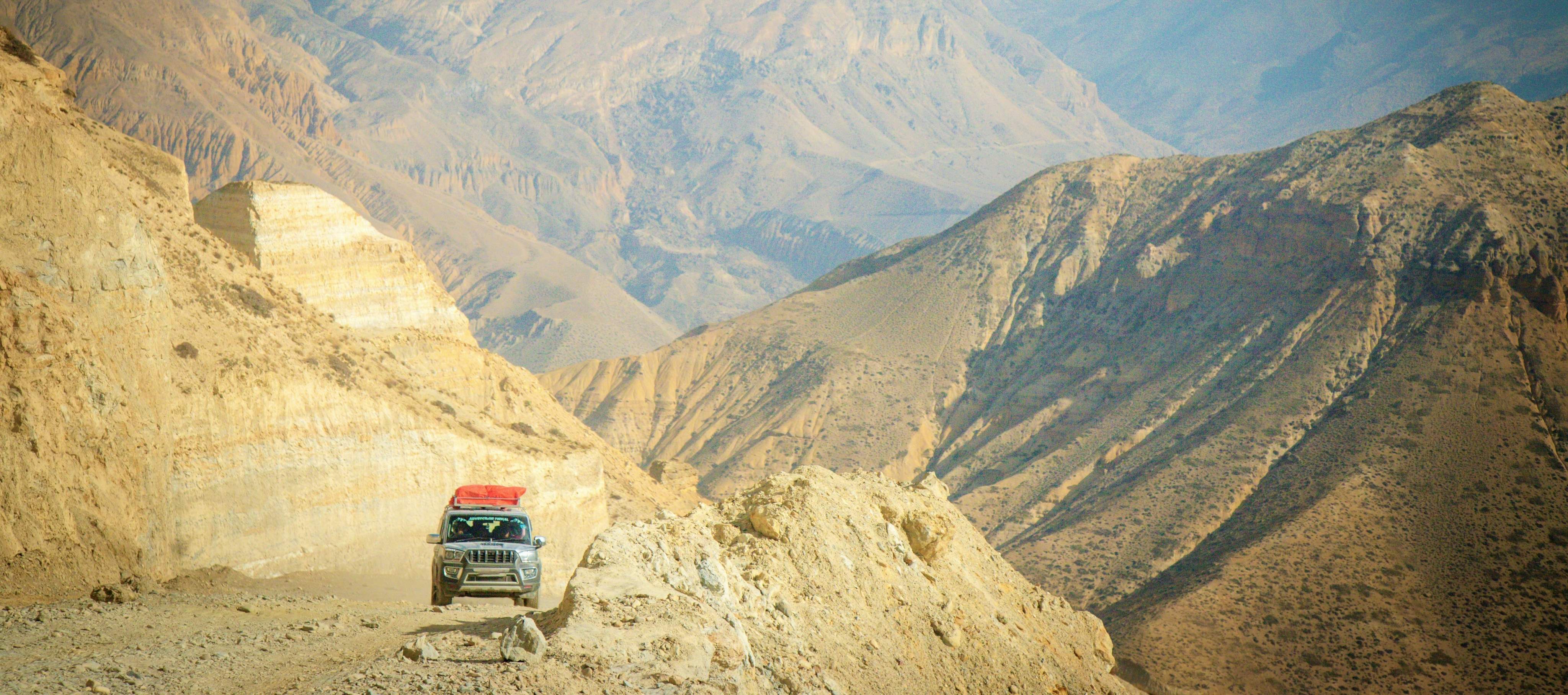
Upper Mustang The Last Forbidden Kingdom. Ancient USD $50/day
cave monasteries, walled Lo
Manthang city.
Upper Dolpo One of the world's most remote regions. USD $50/day
Shey Phoksundo Lake, Bon religion
heartland.
Lower Dolpo More accessible. Phoksundo Lake, USD $30/10 days
ant ncie Bon culture.
Manaslu Circuit Circles the 8th-highest peak. Larkya La USD $100/week (peak)
Pass (5,106m), Gurung villages.
Tsum Valley Sacred Himalayan pilgrimage valley. USD $35/week
Untouched Tibetan Buddhist culture.
Nar Phu Valley Hidden valley off Annapurna Circuit. USD $90/week (peak)
Dramatic gorges, ancient villages.
Kanchenjunga Nepal's third-highest peak near Sikkim. USD $20/week
Diverse wildlife, glacier views.
Humla & Limi Far northwest Nepal, bordering Tibet. USD $90/week
Valley Ancient trade routes, monasteries.
The Digital Permit System: A Quiet Revolution
Buried beneath the solo permit headline is a second reform that may matter just as much for practical planning: Nepal has digitised its restricted area permit application process.
Previously, permits could only be processed after you had a stamped Nepal visa in hand — meaning you had to arrive in Kathmandu first, then apply, then wait. Under the new system, foreign nationals applying from abroad can use their Visa Application Submission ID to submit documents and pay fees in advance, before they even land.
Permits are still collected in person at the Department of Immigration office in Maitighar, Kathmandu, and processing takes two to four hours during peak season. Nepal's restricted area checkpoints have also been upgraded to use the e-TIMS digital verification system, which includes QR code scanning at entry gates. Always carry physical copies regardless.
What This Means for the Solo Trekker
If you've been waiting for a sign to finally do that solo Upper Mustang trek you've been dreaming about for three years, this is it. The two-person barrier is gone.
That said, solo permits come with one important financial reality: the costs don't halve. The permit fee for Upper Mustang is now USD $50 per day. For a 10-day trek, that's $500 for the permit alone, before guides, agency fees, accommodation, and flights to Pokhara or Jomsom.
What You Still Need (Non-Negotiable)
→ A licensed Nepali trekking guide — mandatory by law, regardless of experience level
→ Booking through a TAAN-registered trekking agency (they handle your rescue responsibility)
→ A valid Nepal visa or Visa Application Submission ID for pre-arrival applications
→ Full travel insurance covering high-altitude helicopter rescue
→ TIMS card (Trekkers' Information Management System)
→ National park or conservation area entry permit (separate fee, area-dependent)
→ Physical copies of all permits at all checkpoints
A Balanced Step Forward
Nepal's decision is not a deregulation of its most sensitive landscapes — it is a recalibration of an outdated rule. The guide requirement stays. The agency requirement stays. The permit fees stay. What's gone is the arbitrary rule that a solo traveller couldn't walk these trails without a foreign companion.
For Nepal's remote communities — the villages of Lo Manthang, the teahouses above Phoksundo Lake, the homestays in Tsum Valley — the change means more visitors, more income, and more reason to preserve the very landscapes and traditions that make these places extraordinary.
"This March 2026 policy change is a welcome and balanced step. Nepal has removed an outdated barrier while keeping the protections that matter most: safety, cultural respect, and local benefits."
— Index Adventure, March 2026
The spring 2026 trekking season is already underway. If you're considering a restricted area trek this year, contact a TAAN-registered agency in Kathmandu to begin your permit application. The best seasons for most restricted zones are March–May and September–November.
Information based on the official Department of Immigration notice dated March 22–23, 2026, and TAAN correspondence. Always verify current permit requirements directly with the DoI or a registered trekking agency before travel.
ADVENTURE OUTDOOR
