

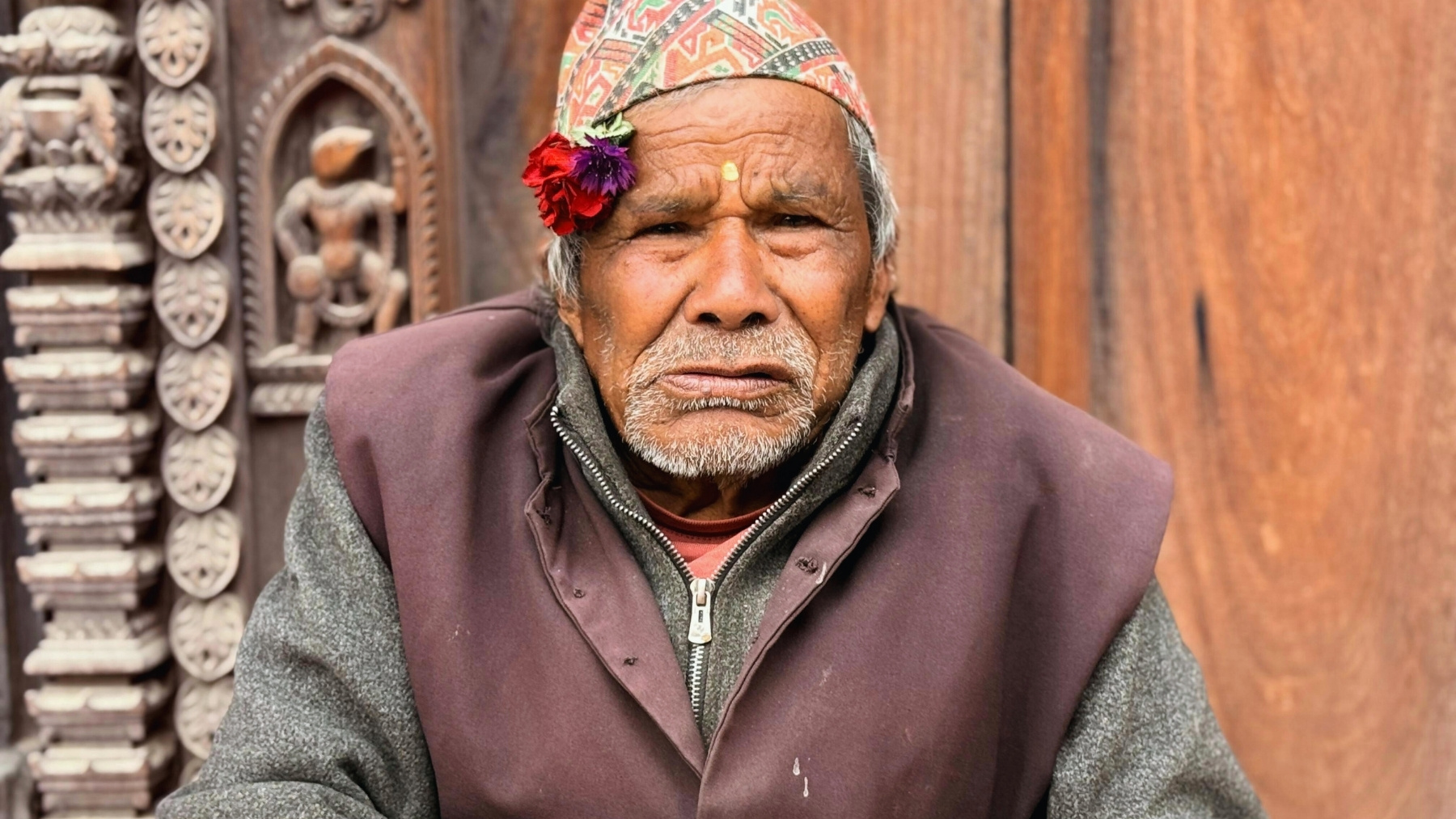
Nepal is definitely a linguistic dream land with over 120 languages spoken as mother tongues but it may very well be a tourist’s nightmare in certain places. Although Nepali is the most commonly spoken language in Nepal, both English and Hindi are also widely spoken. From popular tourist favourite cities and trekking routes to the plains of Terai, communication should not be a problem in either of these languages. Most shops, public places and locals are able to converse in English and often if not spoken still understand Hindi.
English is commonly used as a language for business and is widely taught in schools with the language being required in the National Board exams. So, if you are visiting the famous landmarks of Nepal such as Kathmandu Valley, Pokhara, Chitwan, Janakpur, Lumbini; and popular trekking locations like Everest and the Annapurna region, communication in English is possible and should not be a problem. However, most Nepalis don’t have perfect grammar or vocabulary while speaking English which may throw you off but nevertheless, speaking slowly with gestures and body language should help carry a conversation with most Nepalis.
Outside of the popular tourist destinations English may not be spoken by all but still spoken by most of the youth, so if ever needed it may be wiser to seek out a young person to converse with rather than an elderly person. Even Hindi is commonly understood and spoken outside of the tourist areas, especially in the southern parts of Nepal where it is considered a mother tongue of most.
The only places where Nepali would be required is in the remote or rural areas of Nepal. If you happen upon a small village or town in a secluded area or deep within the mountains, hills or plains without an English speaking guide or a Nepali speaking travel buddy, you may have difficulty communicating. For example, the Bajura District in the Seti zone of the Sudurpaschim Province is a place where only Nepali is spoken and understood but other small villages and towns have their own language and dialect of speaking and may not speak any English or Hindi at all.
To aid you in such circumstances below are some useful phrases and words in Nepali including the first ten Nepali numbers. Nepalis are often pleasantly surprised and respond incredibly well to tourists knowing basic phrases in Nepali, and even in the larger cities and English speaking locations, it is greatly appreciated if you greet someone with a simple ‘Namaste’.
Some basic Nepali phrases and words:
Namaste - a greeting synonymous of a ‘Hello’
Dhanyabad - Thank you
Mero naam… ho - My name is…
Tapai ko naam ke ho? - What is your name?
Kripaya - Please
Ho - Yes
Haina - No
Thikk Xa - It’s Ok
Tapailai kasto xa? - How are you?
Ma sanchai xu - I’m Ok
Pani - Water
Khana - Food
Kaha xa? - Where is it?
Maph garnu hos - I’m sorry
Malai bhok lagyo - I am hungry
Malai tirkha lagyo - I am thirsty
Chahiyo - Need
Jadai xu - I’m going
Yo thau ko naam ke ho - What is the name of this place
Shauchalaya - Toilet
Aspataal - Hospital
Pasal - Shop
Gadi - Car
Yeslai Kati paisa ho? - How much does this cost?
Shubha Prabhat - Good morning
Shubha Ratri - Good night
Mahile bujhena - I did not understand
Bistarai bolnu hos - Please speak slowly
Malai Nepali aaudaina - I don't know Nepali
Tapai Angreji bolnu hunxa? - Do you speak English?
Kasari jane? - How do I get there?
Daaya - Right
Baaya - Left
Siddha - Straight
Agadi - Ahead
Kati bajyo? - What time is it?
The first 10 Nepali numbers:
Ek - One
Dui - Two
Teen - Three
Char - Four
Paach - Five
Cha- Six
Saat - Seven
Aath- Eight
Nau - Nine
Das – Ten
Written by
Kritisha Amatya
