

Festivals in Nepal in January: Celebrate Culture, Colors & Traditions
January in Nepal is more than just crisp winter mornings and clear mountain views it’s a month filled with vibrant festivals, spiritual rituals, and cultural celebrations. For travelers seeking authentic experiences, visiting Nepal in January offers a rare chance to witness age-old traditions without the peak tourist crowds.
Here are the major festivals celebrated in Nepal in January, and why they’re worth planning your trip around.
Why Visit Nepal in January for Festivals?
Fewer tourists and peaceful travel experiences
Clear mountain views and cool weather
Rich cultural immersion through festivals
Budget-friendly accommodations and tours
January is perfect for travelers who want to experience Nepal beyond trekking—through its people, rituals, and celebrations.
Plan Your January Festival Trip to Nepal
Whether you’re drawn by spiritual rituals, cultural dances, or traditional food, January festivals in Nepal offer unforgettable moments. Plan your visit around these celebrations to experience the country’s soul at its most authentic.
Looking to customize a festival-focused tour in Nepal? Let us help you plan the perfect January getaway.
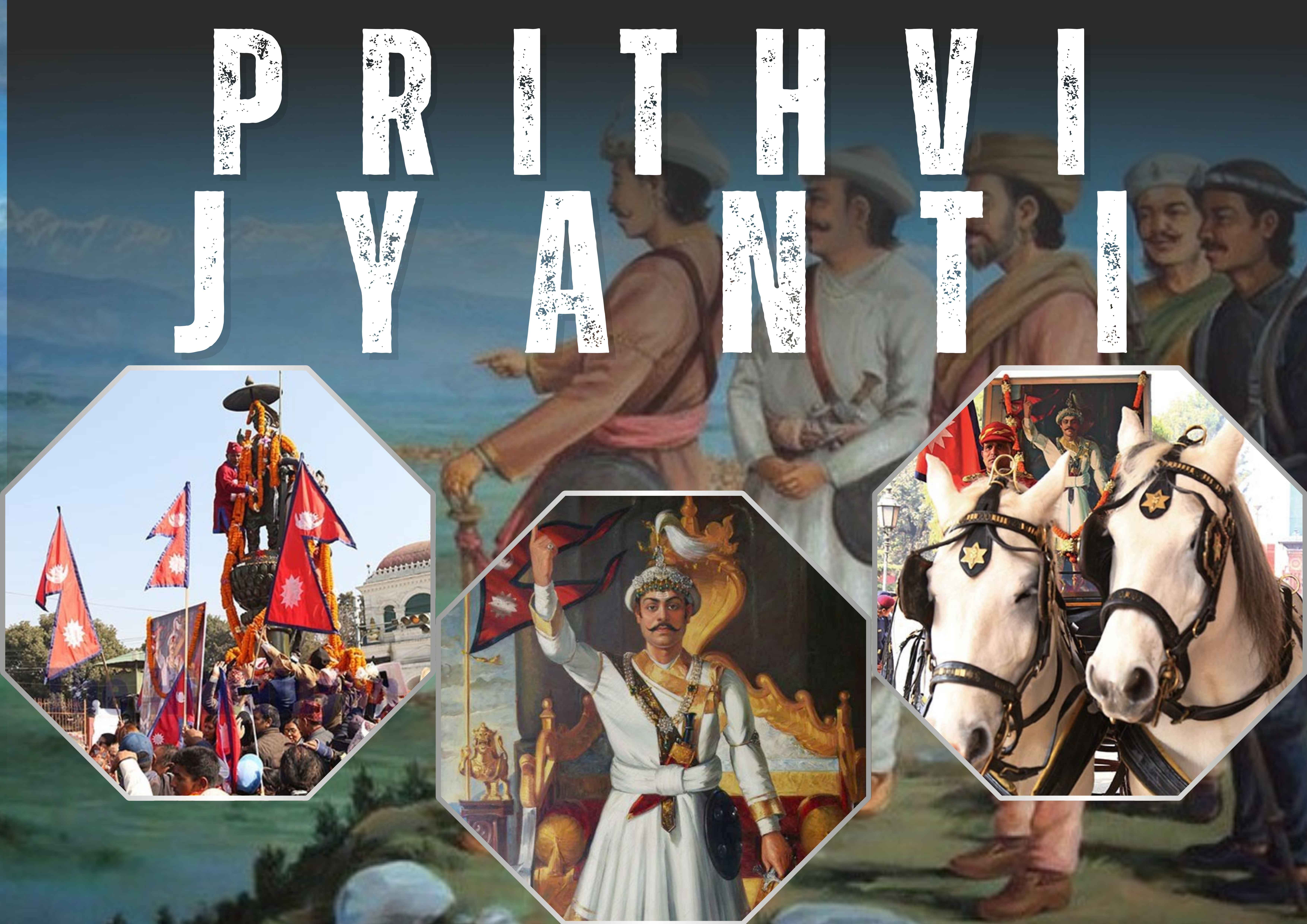
1. Prithvi Jayanti & National Unity Day - January 11
This year, Nepal’s need for national unity feels heavier than ever. Political turmoil, the dissolution of parliament, and the lingering scars of the pandemic have left society searching for leadership and direction. Yet, unity the very essence of Nepaliness seems absent in our politics and beyond.
History reminds us of a time when Nepal was fragmented into dozens of small kingdoms. From the hills of Gorkha rose Prithvi Narayan Shah, a visionary leader who dreamed of a greater Nepal. His courage, strategy, and the sacrifice of generals like Kalu Pandey stitched together the foundation of the nation we call home today.
Prithvi Narayan Shah was not just a king; he was a symbol of resilience and foresight. His Divyopadesh still echoes as a guide for governance and unity. Every year on the 27th of Poush, we celebrate his birth anniversary as Rastriya Ekata Diwas (National Unity Day) a reminder that unity is not just history, but a living necessity.
Yes, his legacy carries both glory and controversy from the expansion of Nepal’s territory to the cruelty shown in battles like Kirtipur. But without his determination, Nepal might never have stood as an independent and sovereign nation.
Today, as statues of Prithvi Narayan Shah stand tall across Nepal, with his finger raised as if pointing us toward unity, we are reminded: history is not erased like footprints on water. His vision still watches us from Chandragiri’s hills, urging us to rise above division and reclaim the spirit of togetherness.
What to expect:
Ceremonial gatherings: People gather around statues of Prithvi Narayan Shah in Kathmandu and other cities to pay tribute.
Floral offerings and rallies: Citizens, leaders, and organizations place garlands and organize unity rallies.
Cultural programs: Schools, colleges, and local groups host debates, poetry recitals, and performances celebrating Nepal’s heritage.
Public speeches: Historians, politicians, and community leaders reflect on Prithvi Narayan Shah’s vision and its relevance today.
Divyopadesh readings: Excerpts from his teachings are shared as guiding principles for unity and governance.
National flag displays: Streets, squares, and institutions proudly showcase the Nepali flag to symbolize sovereignty.
Community bonding: Families and friends often discuss history, unity, and the importance of togetherness over meals or gatherings.
Best wishes on Prithvi Jayanti and Rastriya Ekata Diwas may the trumpet of unity sound louder than ever.
2. Maghe Sankranti – Welcoming Longer Days
Mid-January (usually January 14–15)
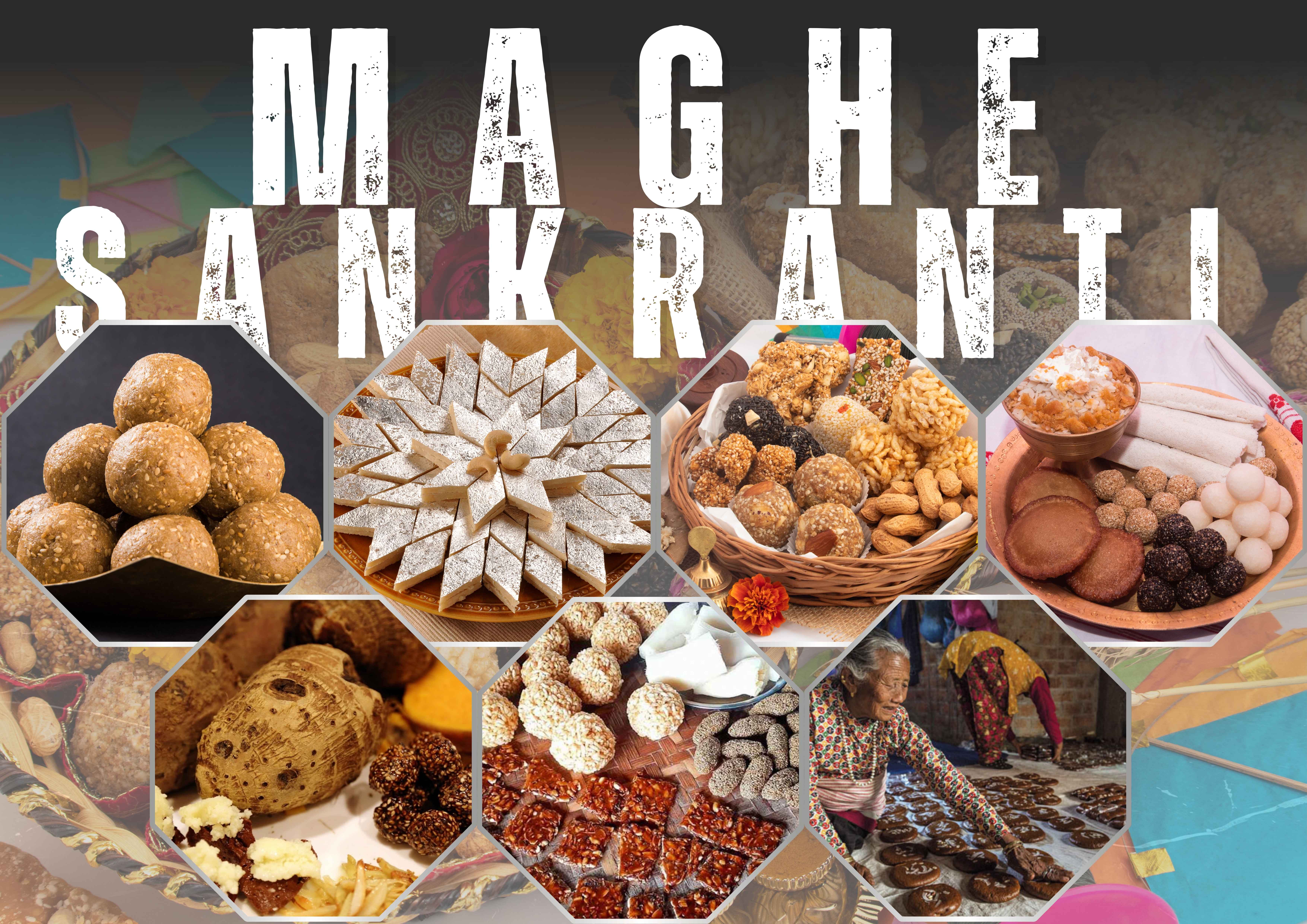
Maghe Sankranti marks the end of the winter solstice and the beginning of longer, sunnier days. It is one of Nepal’s most important Hindu festivals.
How it’s celebrated:
People take holy dips in rivers like Trishuli, Bagmati, and Gandaki
Traditional foods such as sesame laddoos, chaku (molasses), ghee, and yam are eaten to keep the body warm
Families gather to exchange blessings and meals
Best places to experience it: Devghat, Sankhamul, and riverbanks across Nepal.
3. Sonam Lhosar – Tibetan New Year Celebrations
January 19 (date varies by lunar calendar)
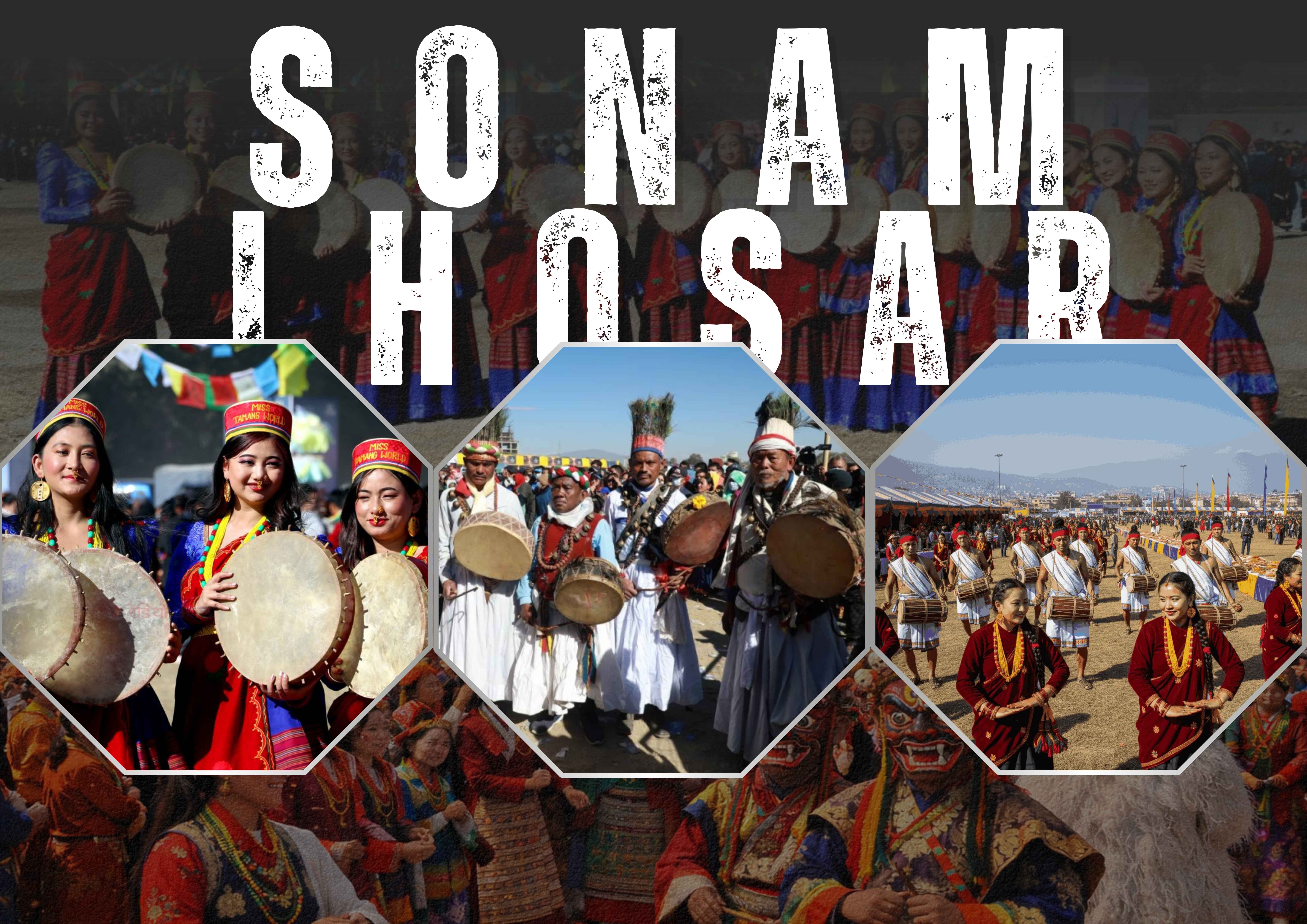
Sonam Lhosar is the New Year festival of the Tamang community, celebrated with great enthusiasm in the Himalayan and hilly regions.
Highlights:
Colorful traditional attire and cultural dances
Monastery visits and prayer ceremonies
Festive gatherings with traditional food and music
Where to celebrate: Boudhanath, Swayambhunath, Langtang region, and Tamang villages
This festival offers travelers a deep insight into Tibetan-Buddhist culture and Himalayan traditions.
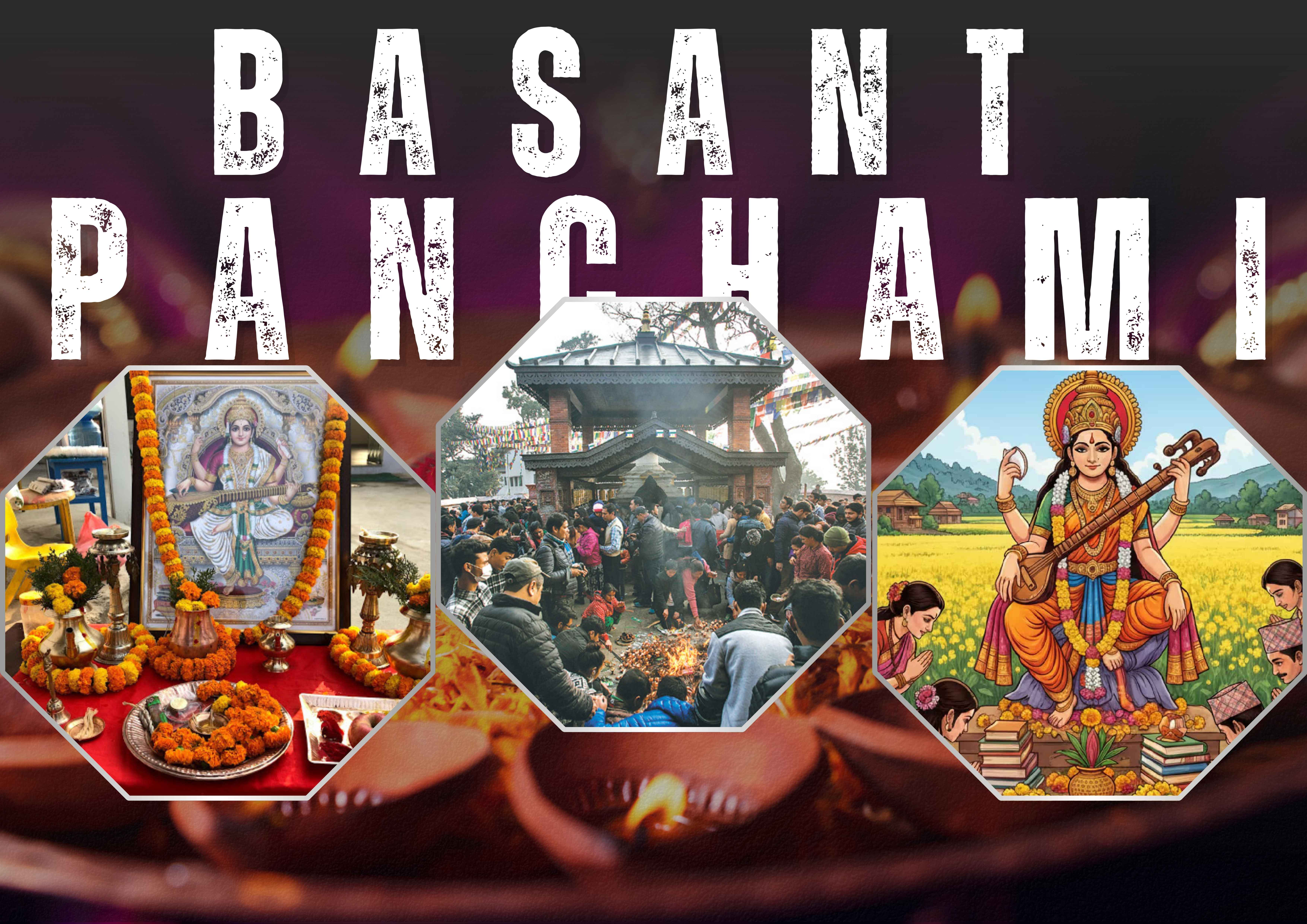
4. Basant Panchami (Saraswati Puja) – Festival of Knowledge (23 January)
Basant Panchami marks the arrival of spring and is dedicated to Goddess Saraswati, the deity of wisdom, learning, and arts.
Festive atmosphere:
Students and artists worship books, instruments, and tools
Temples glow with yellow decorations
Fields begin to bloom with mustard flowers
Best spots: Schools, temples, and cultural centers across Nepal
- Adventure Outdoor
