

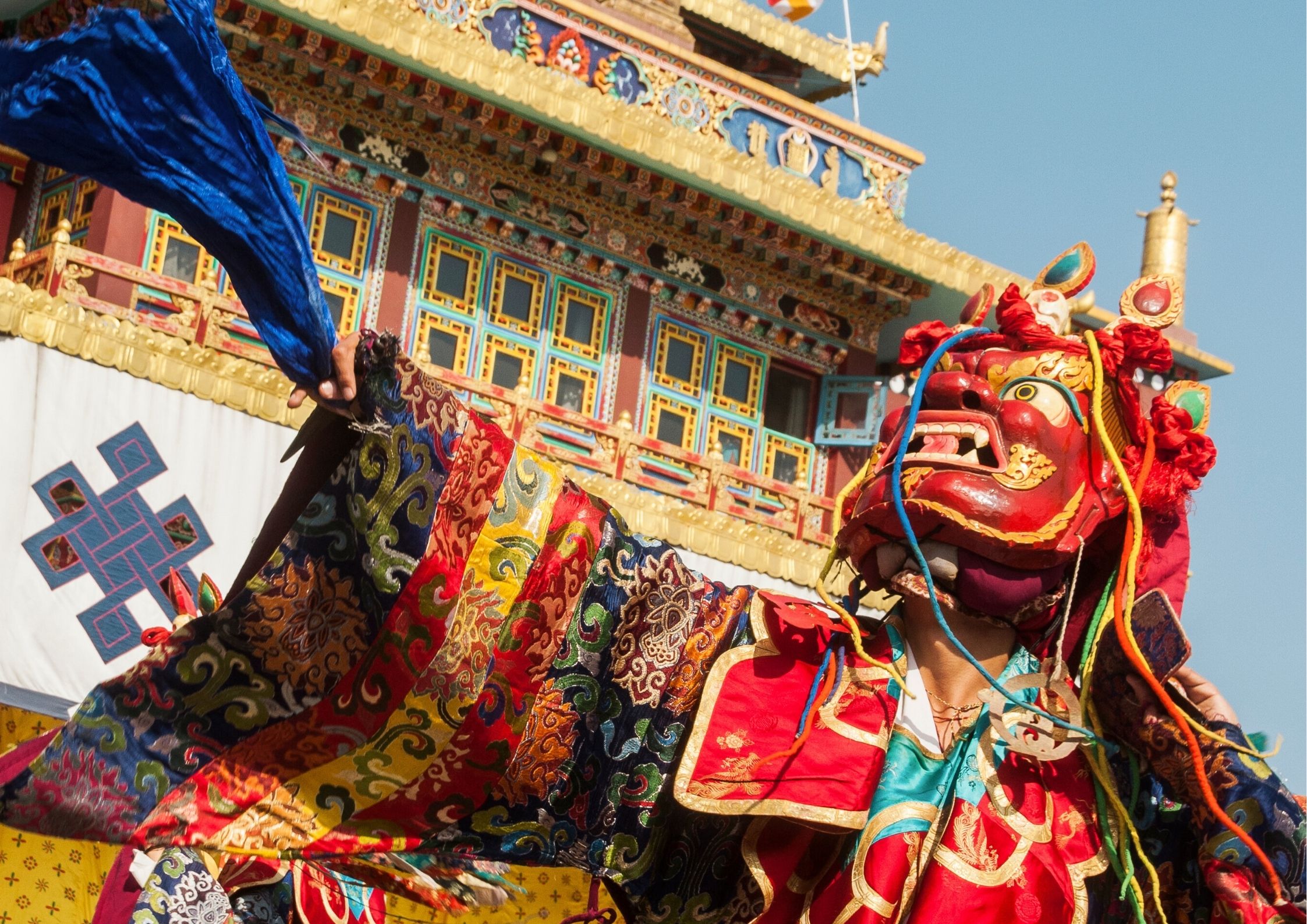
Imagine waking up to the sound of monks blowing long copper horns, the scent of juniper incense drifting through mountain air, and colorful prayer flags snapping in the breeze against a backdrop of snow-capped peaks. This is Losar, the Tibetan and Sherpa New Year, and it is one of the most magical, least-touristy festivals you can experience in Nepal.
Falling in late January or February each year, Losar offers travelers a rare window into living Himalayan culture. Whether you're trekking through the mountains or staying in Kathmandu, here's everything you need to know to experience it for yourself.
What is Losar?
Losar (pronounced "loh-SAR") literally means "New Year" in Tibetan "lo" meaning year and "sar" meaning new. It marks the beginning of the Tibetan lunar calendar and is celebrated by Tibetans, Sherpas, Tamangs, Gurungs, and other Himalayan communities across Nepal, Tibet, Bhutan, and parts of India.
The festival spans 15 days, though the main celebrations typically happen over the first three days. It's a time for family reunions, elaborate rituals, feasts, dancing, and giving thanks a bit like Christmas, New Year's Eve, and a community fair all rolled into one.
When Does Losar Fall in 2026?
Losar follows the Tibetan lunar calendar, so the date shifts each year. In 2026, Losar falls in late February making it a perfect reason to plan your Nepal trip for that time of year.
Pro tip: Book accommodation early if you plan to be in Namche Bazaar (the gateway to Everest) or Boudhanath in Kathmandu, as these areas fill up fast during the festival.
Where to Experience Losar in Nepal
Boudhanath, Kathmandu
The giant stupa of Boudhanath is the spiritual heart of Nepal's Tibetan Buddhist community, and Losar here is extraordinary. The stupa is circumambulated by thousands of devotees, monks perform rituals inside the monasteries, and the entire neighborhood buzzes with color and energy. This is the most accessible Losar celebration for travelers.
Namche Bazaar & the Khumbu Region
For trekkers on the Everest Base Camp route, Namche Bazaar transforms during Losar. Sherpa families open their homes, traditional chang (barley beer) is shared freely, and you'll witness masked Cham dances performed by monks. It's an authentic, community-centered experience that few tourists get to see.
Mustang & Upper Himalayan Regions
For the truly adventurous, the ancient walled city of Lo Manthang in Upper Mustang celebrates Losar with centuries-old traditions virtually unchanged by modern tourism. This is bucket-list territory.
What to Expect: 3 Days of Celebration
Day 1 - Lama Losar: The religious day. Monks and lamas perform rituals and ceremonies. Families clean and decorate their homes and offer food to the deities. Expect the monasteries to be packed with worshippers.
Day 2 - Gyalpo Losar: The royal or government day. Communities gather for public celebrations, traditional dances, archery competitions, and the famous Cham masked dances performed by monks.
Day 3 - Choe Kyong Losar: The community day. Families visit each other, exchange gifts, and enjoy feasts of traditional foods like khapse (fried cookies), guthuk (a hearty noodle soup), and dresi (sweet rice).
Tips for Respectful Participation
Dress modestly when visiting monasteries - cover shoulders and knees.
Always walk clockwise around stupas and prayer wheels.
Ask permission before photographing people, especially during ceremonies.
If invited into a home, accept graciously - it's a great honor.
Learn a few words of Tibetan - even just "Tashi Delek" (meaning good luck and blessings, the traditional Losar greeting) will delight locals and open doors.
ADVENTURE OUTDOOR
