

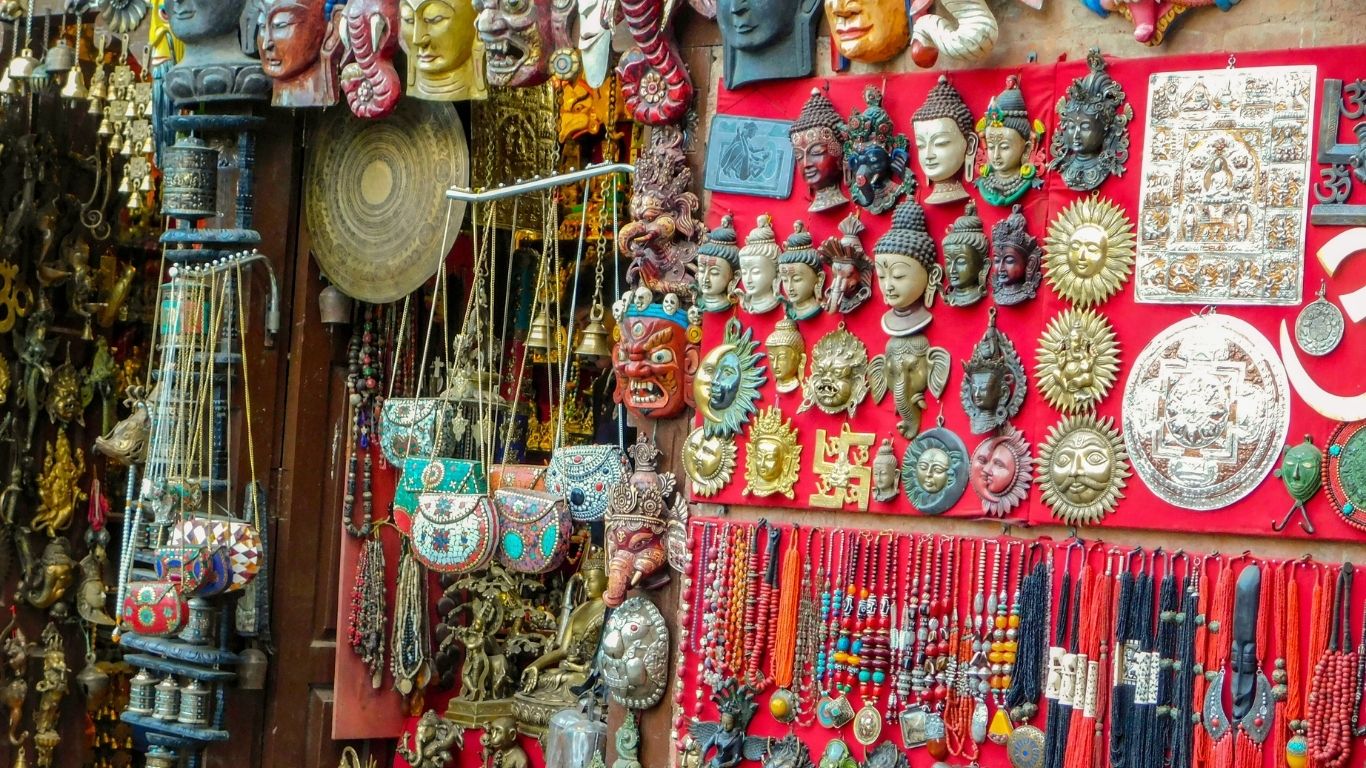
If you're heading to Nepal, chances are you'll find yourself browsing through the colorful markets of Thamel, wandering through Bhaktapur's craft stalls, or eyeing handmade pashminas at a roadside shop. And at some point, a vendor will quote you a price and wait.
This is your cue to bargain.
Bargaining is a completely normal and expected part of shopping culture in Nepal. But there's a right way and a wrong way to do it. Done well, it's fun, friendly, and rewarding. Done poorly, it can be awkward, disrespectful, and leave a bad taste on both sides.
Here's everything you need to know.
Is Bargaining Normal in Nepal?
Yes in most markets, souvenir shops, and street stalls, the first price quoted is rarely the final price. Vendors expect negotiation and factor it into their opening offer. It's not rude to bargain. In fact, accepting the first price without question can sometimes seem unusual to locals.
That said, bargaining is not universal. More on that below.
The Dos of Bargaining in Nepal
Start with a smile Bargaining in Nepal is not a confrontation it's a friendly back and forth. Approach it with warmth and humor. A good attitude goes a long way and vendors are far more likely to give you a fair price when the interaction feels pleasant.
Do your research first Before committing to a purchase, browse a few different stalls selling the same item. This gives you a realistic sense of the price range so you can negotiate from a place of knowledge rather than guesswork.
Counter at around 50-60% of the asking price A commonly used rule is to start your counter offer at roughly half the asking price and expect to settle somewhere in the middle. So if a vendor says 1,000 rupees, open at 500 and aim to land around 650-700. This is usually where the fair market price sits.
Be willing to walk away One of the most effective bargaining tools is simply turning to leave. If the vendor can go lower, they'll often call you back with a better price. It works surprisingly often and if they don't call you back, you'll know you were already at the floor.
Buy multiple items Buying more than one thing from the same vendor gives you real leverage. Bundle items together and ask for a deal on the lot most vendors will happily discount when the overall sale is bigger.
The Don'ts of Bargaining in Nepal
Don't bargain everywhere Supermarkets, pharmacies, restaurants with printed menus, and established shops with price tags are not places to negotiate. Prices there are fixed. Attempting to bargain in these settings is awkward at best and disrespectful at worst.
Don't lowball insultingly There's a difference between smart negotiating and being offensive. Offering 10% of the asking price on a handcrafted item that took a local artisan hours to make is not a flex, it's disrespectful. Remember that many of these vendors are small business owners and craftspeople, and a few extra dollars means significantly more to them than it does to most travelers.
Don't agree and then walk away This is a big one. If a vendor meets your price, you are expected to follow through and buy. Agreeing on a price and then backing out is considered genuinely disrespectful in Nepali culture. Only ever name a price you are fully prepared to pay.
Don't make it purely transactional Some of the best shopping moments in Nepal happen when you slow down and connect with the person behind the stall. Ask about the craft. Learn where the pashmina was made or who carved the wooden statue. These conversations are memorable and often lead to fairer, more generous deals naturally.
Where to Bargain in Nepal
These are the best spots where bargaining is expected and welcomed:
Thamel, Kathmandu — the main tourist hub, packed with souvenir shops, clothing, trekking gear, and handicrafts
Asan Bazaar, Kathmandu — a local market great for spices, textiles, and everyday goods
Bhaktapur and Patan markets — handmade pottery, woodwork, and traditional crafts
Pokhara lakeside market — similar to Thamel, lots of souvenir and clothing shops
Indra Chowk, Kathmandu — known for beads, fabric, and local goods
A Quick Reference
Situation Bargain?
Souvenir and craft markets Yes
Street vendors Yes
Trekking gear shops Often
Restaurants with menus No
Supermarkets No
Pharmacies No
Transport / taxis Agree price before you go
Final Thoughts
Bargaining in Nepal is one of those travel experiences that feels intimidating at first but becomes second nature quickly. The key is to keep it light, keep it respectful, and remember that at the end of the day you're interacting with real people not just completing a transaction.
Be fair, be friendly, and enjoy the process. That pashmina you talked down from 1,500 to 900 rupees will feel all the more special for it.
ADVENTURE OUTDOOR
